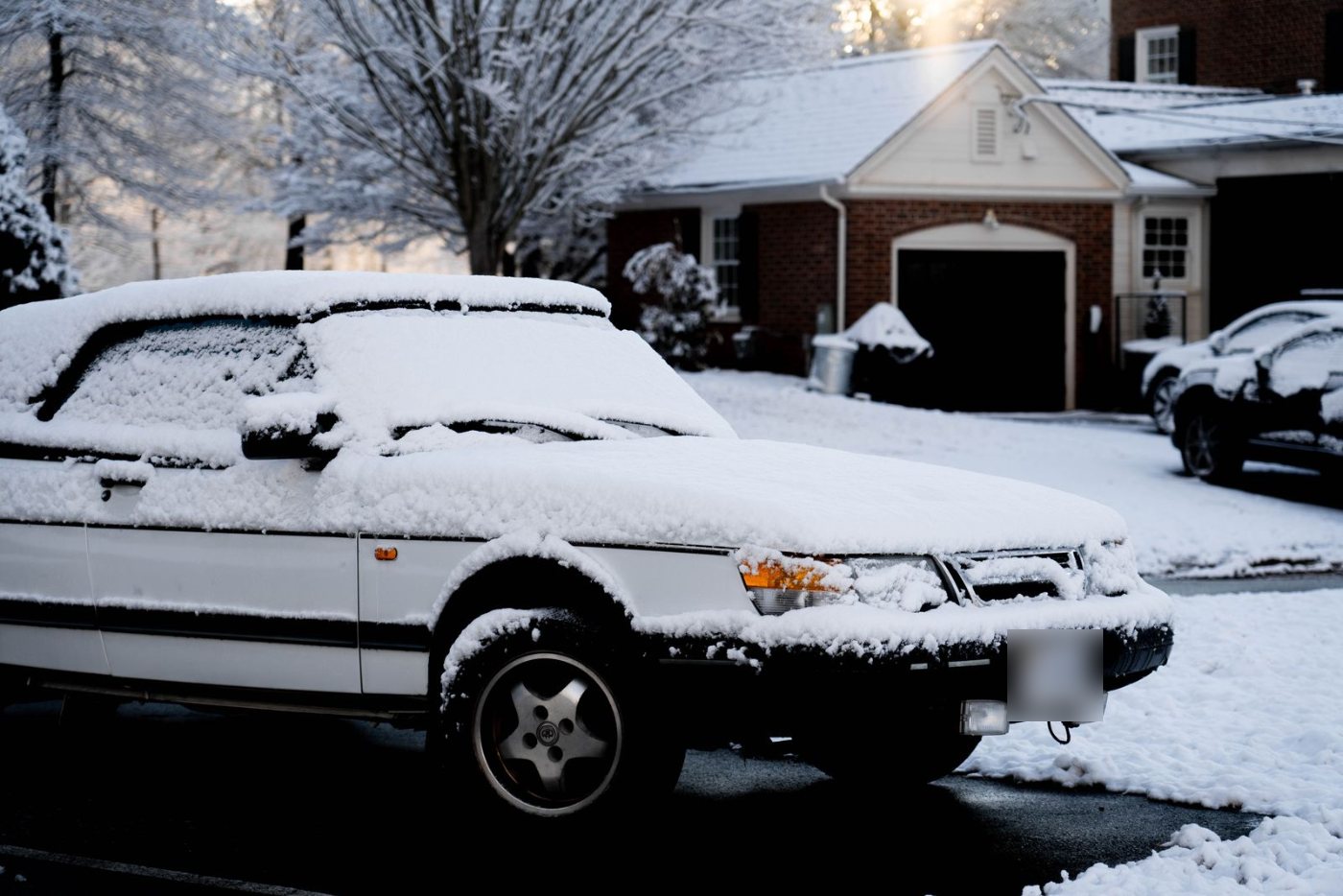
Short answer: if your car won’t start on a cold morning, check the battery first. Cold cuts the power a battery can deliver just when the engine needs more of it. Before the first hard freeze, have the battery tested, check tire pressure and tread, top up coolant and washer fluid, replace streaky wipers, and have the brakes, belts and hoses looked at.
A battery that started the car fine in October can quit on the first freeze. Most winter trouble comes from the same few parts, and several of them you can check in your driveway. PennDOT’s own advice is to have a mechanic check the brakes, battery, hoses and belts before the winter driving season. Here is what to look at, and when it is worth bringing the car in.
The winter car checklist at a glance
| Check | What to look for | Do it yourself? |
|---|---|---|
| Battery | Slow crank, dim headlights, battery 3+ years old | Spot the signs yourself; a proper test needs a shop |
| Tire pressure | Compare to the label on the driver’s door frame | Yes, with a gauge, when the tires are cold |
| Tire tread | Penny test, uneven wear | Yes |
| Coolant | Level between the marks on the reservoir, engine cold | Level yes; leak check and strength test at a shop |
| Washer fluid and wipers | Winter-rated fluid, no streaking | Yes |
| Brakes, belts, hoses | Noise, soft pedal, cracks, leaks | Have a mechanic check |
| Lights, heater, defroster | Everything works and the glass clears | Yes |
Why won’t my car start in the cold?
The battery is the first suspect. AAA puts it this way: a battery has only about 65 percent of its warm-weather strength at 32 degrees and about 40 percent at 0 degrees. At the same time, gasoline and diesel engines take more battery power to start in cold weather. A battery that is already tired gets caught from both sides.
Signs yours is on its way out:
- The engine cranks slowly
- Headlights look dim
- A warning light comes on
- The case is swollen or cracked, or you smell rotten eggs
- The battery is more than three years old
AAA says a battery typically lasts three to five years and should be tested every year once it reaches its third. If yours is in that range, have it tested now, not on the morning it fails. We test and replace batteries at the shop. A test also tells you whether the battery is really the problem. If it tests fine and the car still won’t start, the cause may be the alternator, the starter or something else, and that needs a proper diagnosis. NHTSA also tells drivers to have a mechanic check the battery and the charging system before winter.
Old oil is thick in the cold and makes starting harder too. If you are due, do not wait: a 5-quart synthetic oil change at our shop is $79.95 before tax.
Car slow to start? See our auto repair services in West Chester.
Winter tires, all-season or all-weather: what do you need?
The three types differ like this:
- All-season tires are made for year-round use in mild weather. The rubber stiffens in the cold and grip drops. Their M+S marking describes the tread pattern, not a traction test.
- All-weather tires carry the three-peak mountain snowflake symbol, which means they passed a standard snow traction test. You can leave them on all year. The symbol does not cover pure ice.
- Winter tires are built for cold, ice, snow and slush.
PennDOT says that if you live where heavy snow is common, you may want dedicated snow tires or chains, and at a minimum your tires should be mud and snow rated. Which type fits depends on where and when you drive, so ask us if you are not sure.
Whatever you run, check two things:
- Pressure. As the outside temperature drops, so does tire pressure. A common rule of thumb is about 1 psi for every 10 degrees. Fill to the number on the label in the driver’s door frame, not the maximum printed on the tire, and check when the car has been parked for at least three hours.
- Tread. Keep at least 2/32 of an inch. Put a penny in the tread with Lincoln’s head upside down: if you can see the top of his head, the tire is worn out. Uneven wear means the tires need rotating or the wheels need aligning.
Tires wearing unevenly? See our wheel alignment service.
How to check your antifreeze level
This takes a minute and needs no tools, but only with a cold engine. The cooling system is under pressure, and hot coolant can spray out and burn you if the cap comes off too soon.
- Let the car sit for several hours, or check first thing in the morning.
- Find the translucent coolant reservoir. Your owner’s manual shows where it is.
- Read the level through the side of the tank, without opening the cap. It should sit between the marks.
- If it is low, top it up with the coolant type your manual specifies. Do not overfill.
If the level keeps dropping, there is probably a leak. NHTSA’s advice is to check the cooling system for leaks and test the coolant, and a shop can do both in one visit.
Losing coolant or running hot? See our radiator repair service.
Windshield washer fluid for winter, and wipers
A snowstorm can empty the reservoir fast, so start the season with a full tank of winter washer fluid with de-icer. Check the label for the temperature rating. Some fluid is only good to freezing, and that is a problem if it is still in the tank when the first hard freeze hits. Do not top up with plain water, which freezes at 32 degrees.
Replace wipers that streak, and test the heater and defroster while you are at it. PennDOT lists both in its winter checklist. One more thing: in Pennsylvania, state law requires your headlights to be on when your wipers are on.
Chip or crack in the glass before the freeze? See our windshield repair service.
Brakes, belts and hoses: leave these to a mechanic
These are the parts PennDOT specifically says to have a mechanic check, and they are hard to judge from the driveway. Come in if you hear squeaking or grinding, if the pedal feels soft, or if the car pulls to one side when you brake. What a repair costs depends on the car, so call us or request an estimate. Our repairs come with a 3-year, 36,000-mile warranty.
Noisy or soft brakes? See our brake service and repair.
What to keep in your car this winter
PennDOT’s winter emergency kit list includes a flashlight and batteries, jumper cables, a phone and charger, a snow shovel, an ice scraper, sand, a blanket, warm clothes and gloves, first aid supplies, bottled water and non-perishable food. PennDOT also suggests keeping the gas tank at least half full.
After a storm, clear snow and ice off the whole car before you drive. Under state law you can be ticketed if snow or ice from your vehicle strikes another vehicle or a person and causes death or injury. To check conditions on Route 202 or your commute, use 511PA.
Warning light on before a winter trip? See our check engine light diagnostics.
Frequently asked questions
What causes a car not to start when it’s cold?
Check the battery first. Cold reduces the power a battery can deliver while the engine needs more to turn over. If the battery tests fine, the cause may be the alternator, the starter or another fault that needs a diagnosis.
What should I check on my car before winter?
The battery, tire pressure and tread, coolant, washer fluid, wipers, lights, heater and defroster. PennDOT also advises having a mechanic check the brakes, battery, hoses and belts.
Do you test and replace car batteries?
Yes. Call us or book online and we will test the battery and the charging system, and tell you what the car needs.
Do I need winter tires in Chester County?
It depends on how and where you drive. PennDOT suggests dedicated snow tires or chains for areas with heavy snow, and at least mud and snow rated tires otherwise. All-weather tires with the three-peak mountain snowflake symbol are a middle option that does not need a seasonal swap.
Can I use water instead of washer fluid in winter?
No. Water freezes at 32 degrees. Use winter-rated fluid with de-icer and check that its temperature rating suits your area.
How much does a winter car check cost?
It depends on the car and what it needs, so call us or request an estimate. Same-day service and a free local shuttle are available.
Get your car ready for winter in West Chester
Dave’s Automotive Repair Enterprises, 301 S. Bolmar Street, West Chester, PA 19382. Family owned since 1976. Open Monday to Friday 8:30 AM to 5:30 PM, Saturday 9:00 AM to 4:00 PM.
